- PREVENT SCALE AND PROLONG THE LIFE OF YOUR SEALS IN YOUR HEATER! GRAB A BOTTLE OF NO SCALE
- order parts before 1pm for next day uk delivery

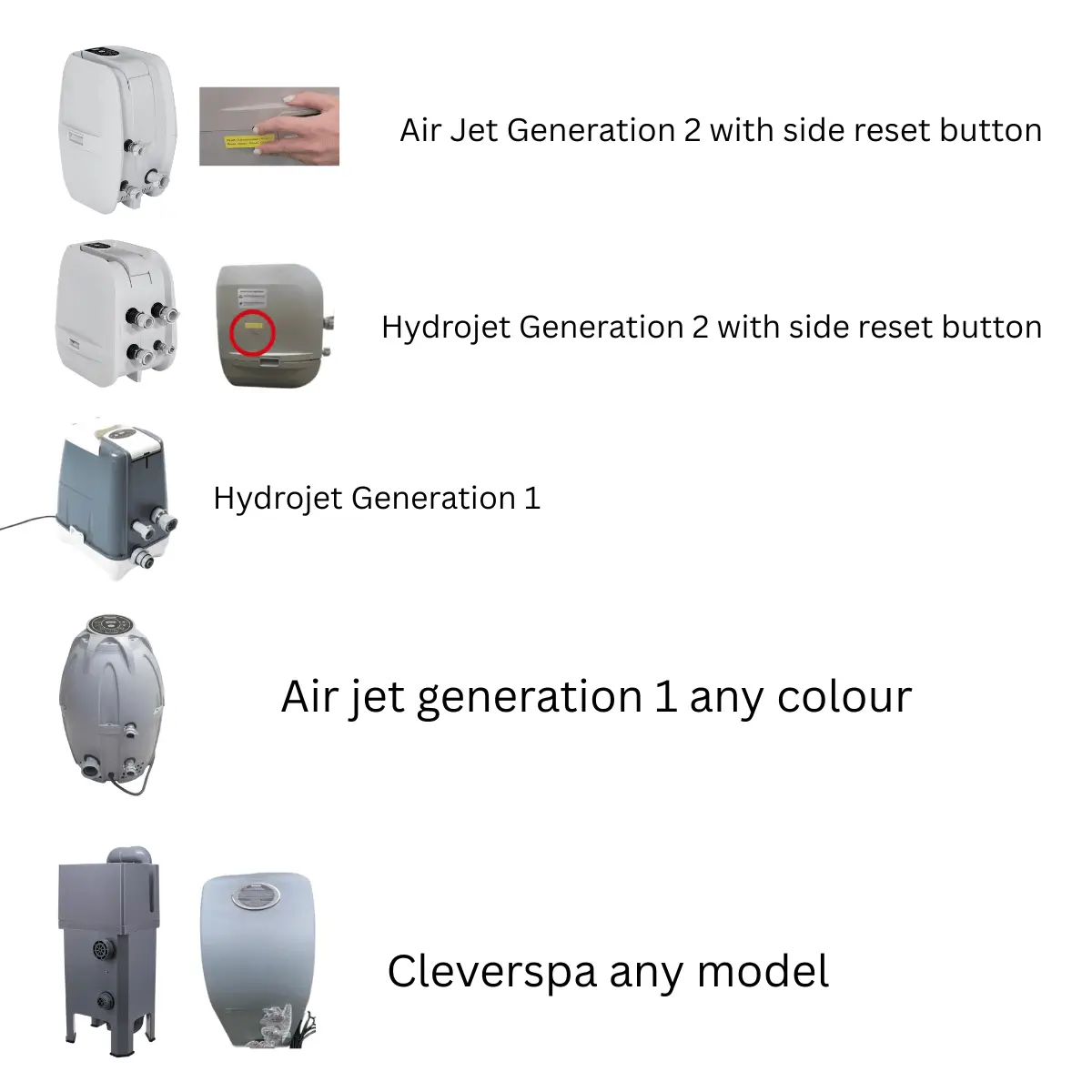


PTC Heater Core Care Guide
How to Prevent Corrosion & Premature Heater Failure
Your PTC heater core is the heart of your Lay-Z-Spa pump unit. It’s responsible for safely heating water as it flows through the system.
Most heater failures are not electrical faults.
They are caused by water chemistry damage.
Understanding how your spa water affects aluminium heater cores can save you hundreds of pounds in repairs.
What Is a PTC Heater Core?
A PTC (Positive Temperature Coefficient) heater core contains:
Aluminium heating chamber
Internal PTC ceramic heating element
Electrical terminals and seals
Water flows through the aluminium chamber and is heated safely as it passes through.
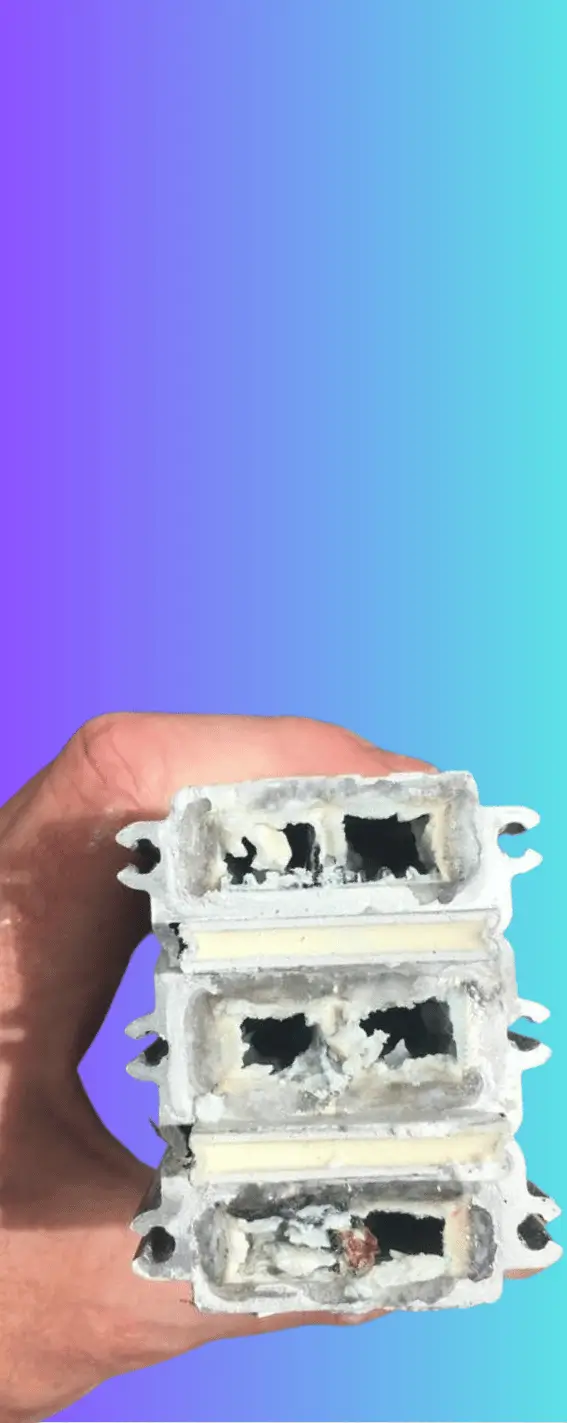
Because the chamber is aluminium, it is vulnerable to corrosion if water chemistry is incorrect.
What Damages a PTC Heater Core?
1️⃣ Aggressive Water (High or Low pH)
Water that is too acidic or too alkaline becomes chemically aggressive.
Ideal Spa pH:
7.2 – 7.6
🔴 Low pH (Below 7.0)
Acidic water:
Attacks aluminium
Causes pitting corrosion
Weakens the heater chamber
Destroys internal seals
Shortens element life
Aluminium reacts with acidic water because hydrogen ions strip away its protective oxide layer, allowing corrosion to occur.
🔴 High pH (Above 7.8)
High pH:
Encourages scale formation
Reduces chlorine effectiveness
Allows mineral deposits to form inside heater tubes
Restricts water flow
Causes overheating
Scale build-up traps heat and stresses the PTC element.
How Chlorine Overdose Damages Aluminium
Many spa owners use 20g chlorine tablets designed for swimming pools.
This is often too much for a small inflatable spa.
How Much Chlorine for an 800 Litre Hot Tub?
A standard 20g tablet is designed for much larger volumes.
For an 800 litre spa, you typically need:
👉 ¼ to ½ of a 20g tablet at a time
Using a full tablet can cause:
Chlorine levels above 5 ppm
Chemical aggression
Rapid corrosion
Seal degradation
Heater chamber pitting
Always test chlorine levels and aim for:
3–5 ppm free chlorine
The Hidden Danger of Multi-Functional Chlorine Tablets
Some chlorine tablets contain:
Stabiliser (CYA)
Flocculants
Algaecide (often copper-based)
Why Is Green Water a Warning Sign?
If your spa water turns green, many assume algae.
However, in small hot tubs it’s often:
👉 Copper spike from algaecide
Copper in water reacts with oxidisers and can:
Turn water green
Stain liners
React with aluminium heater chambers
The Chemistry: How Copper & Chlorine Corrode Aluminium
Aluminium normally forms a protective oxide layer.
When exposed to:
High chlorine
Copper ions
Imbalanced pH
The protective layer breaks down.
This creates:
Galvanic corrosion
Pitting damage
Electrical leakage risk
Premature heater failure
Copper ions accelerate electrochemical reactions, especially in warm water environments.
Your heater core becomes the sacrificial metal.
Limescale – The Silent Heater Killer
Hard water contains calcium and magnesium.
When heated:
Minerals precipitate
Scale forms inside the heater chamber
Heat transfer becomes uneven
The PTC element overheats
The unit may trip or show errors
Scale is one of the most common causes of heater failure in hard water areas.
How to Protect Your PTC Heater Core
✔ Test Every Few Days
Check:
pH (7.2–7.6)
Free chlorine (3–5 ppm)
Total alkalinity
Calcium hardness (where applicable)
Do not guess. Test regularly.
✔ Avoid Overdosing Tablets
Never drop full-size swimming pool tablets directly into an 800L spa.
Use:
Smaller doses
Floating dispenser
Regular testing
✔ Avoid Copper-Based Algaecides
Inflatable hot tubs rarely need algaecide.
Proper chlorine management prevents algae without introducing copper.
✔ Descale Regularly
If you live in a hard water area, preventative descaling is essential.
Scale build-up:
Restricts flow
Causes overheating
Shortens heater life
Protect Your Heater with LayZRepair No-Scale
Our LayZRepair No-Scale treatment is designed to:
Reduce limescale formation
Protect heater chambers
Improve heat transfer
Extend PTC heater lifespan
Maintain efficient flow
Ideal for:
Hard water areas
Frequent spa users
Heater protection maintenance
Regular use can significantly reduce internal scaling and prevent costly heater damage.
Signs Your Heater May Already Be Damaged
Repeated tripping
E01 / E02 / E03 errors
Burning smell
Slow heating
Discoloured water near outlets
If you suspect damage, stop using the heater and inspect or book a repair before further corrosion occurs.
Final Advice
Most heater failures are preventable.
Balanced water is cheaper than replacement parts.
Testing every few days takes minutes.
Replacing a heater costs far more.
If you’re unsure whether your heater core is damaged or your water chemistry is correct, we’re happy to help diagnose the issue.
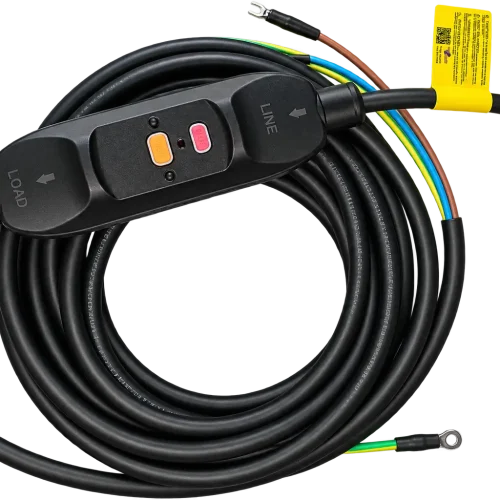
Lay-Z-Spa Replacement Power Cable with RCD – 7m & 20m | H07RN-F
£63.99 – £84.99Price range: £63.99 through £84.99 incl VAT [UK]- Brand new – never used or removed from old machines
- Heavy-duty H07RN-F flexible rubber cable
- New inline RCD safety device
- UK 3-pin mains plug
- Prepared electrical terminals
- 7m standard or 20m extra-long cable
- 20m option provides extra reach without a separate extension lead
- Installation video available
- Same-day dispatch before 1 PM, Monday–Friday
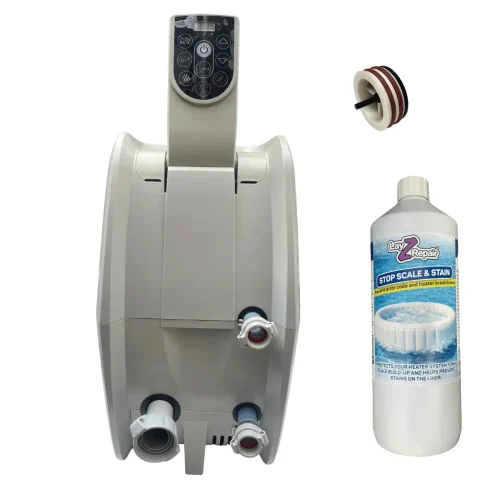
Professionally refurbished, serviced & tested by LayZrepair.
REFURBISHED PRODUCT
This is a professionally refurbished used machine. Cosmetic marks and signs of previous use should be expected. See the full description below.
Give your Lay-Z-Spa a new lease of life with a fully refurbished AirJet heater pump.
Every machine is stripped, inspected, serviced, and operationally tested before dispatch. Brand-new internal seals are fitted to every machine, with other components replaced where necessary.
✓ 3-Month LayZrepair Repair Warranty
✓ FREE UK Delivery
✓ FREE No Scale & Stain – worth £15.99
✓ FREE Easy-Fit Non-Return Valve – worth £12.99
✓ £28.98 of FREE extras
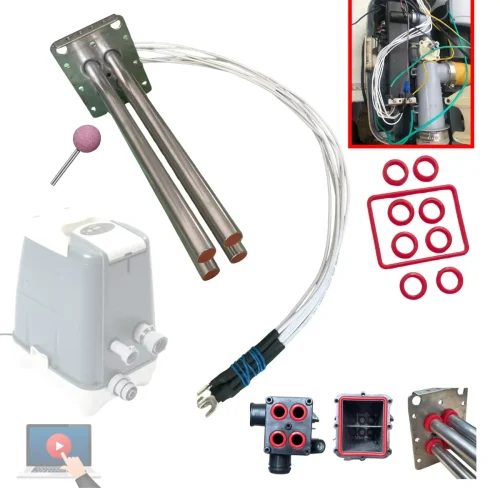
Lay-Z-spa Hydro jet heating Element – Generation 1
This brand new 220V 2kW Lay-Z-Spa Hydro Jet Heating Element is an upgraded part, specially designed for PRE-2021 four-pipe HydroJet models. It includes a full seal kit, an installation video, and reinforced internal clamps to prevent rod push-outs, the previous version would push out as far to burn a hole in the outer case. The new clamps prevent this. Other companies are stating that the clamps stop rod push-outs. This is incorrect. rods will still push out if your water becomes aggressive. They just will not burn the outer case.

Hot Tub & Pool Test Strips 3-in-1 – pH, Chlorine & Bromine | Prevent Scale & Heater Damage | 100 Strips
£9.99 incl VAT [UK]Perfect for Lay-Z-Spa, CleverSpa & MSpa owners.
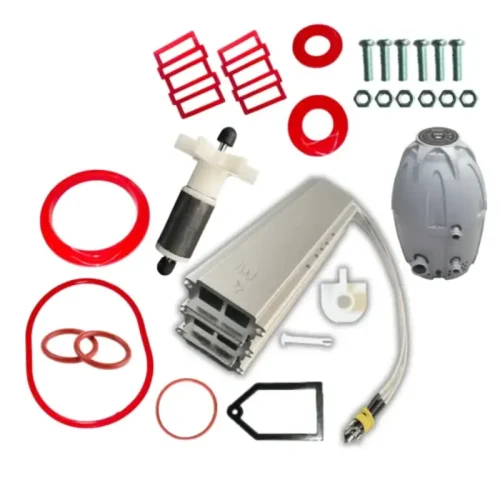
Lay Z Spa Egg AirJet Complete Refurbishment Kit – Full Internal Pump & Heater Rebuild
Bring your Lay-Z-Spa AirJet pump back to like-new condition with this complete internal refurbishment kit.
This kit replaces all major internal wear components, including the PTC heater core, heater seals, flow paddle, seals, impeller bushes and more.
Perfect for spas suffering from E02 errors, weak heating, water-flow issues, noisy pumps, or RCD tripping when the heat button is pressed.
✔ Fits Egg Style Lay-Z-Spa AirJet models
✔ Includes new heater core + 2× red heater seals
✔ Full internal rebuild kit with step-by-step video guide
✔ Fixes E02, weak heat, low flow, pump noise, sensor faults & RCD trips

Restore your Lay-Z-Spa HydroJet heater pump with this complete refurbishment kit designed for 2021 onwards models.
This service kit helps fix common issues such as E02 error codes, water leaks, slow heating, black flakes in water and heater tripping problems caused by worn impeller shafts, degraded seals or heater element faults.
The kit includes a new heater element with silicone seals, impeller shaft with bushes, water flow components and all essential pipe seals, allowing you to service your heater pump at home using basic tools.
Ideal for keeping your spa running efficiently and avoiding costly pump replacements.

LayZrepair No Scale & Stain | Prevent Limescale, E02 Errors & Heater Tripping
PTC Heater Core – Frequently Asked Questions
The PTC heater core is responsible for heating the water as it flows through the pump unit. It uses a ceramic heating element housed inside an aluminium chamber to safely raise water temperature.
Common symptoms include:
Hot tub not heating
Heater trips the RCD plug
E03 or heating-related error codes
Water warming very slowly
Burning smell from unit
Visible corrosion inside the heater chamber
If the tripping is caused by internal corrosion, water ingress or electrical leakage within the heater chamber, replacing the PTC heater core usually resolves the issue.
However, if the unit still trips after replacement, further inspection of wiring or control board may be required.
Our heater cores are designed to fit compatible Lay-Z-Spa and similar models. Always check:
Model year
Heater size
Cable length
Connection type
If unsure, contact us before ordering and we’ll confirm compatibility.
If there is no thermal reset button on the side of the outer casing on your machine? then this will be a post 2026 model which does not use a PTC style heater
Most failures are caused by:
Poor water chemistry
High chlorine levels
Copper contamination
Limescale build-up
Corrosion of the aluminium chamber
Regular water testing and scale prevention significantly extend heater life.
Yes, if you are confident working with electrical components and follow proper safety precautions.
Always:
Disconnect power completely
Discharge capacitors
Ensure seals are replaced correctly
If unsure, book a professional repair.
Yes. Replacing seals during installation is highly recommended to prevent leaks and maintain proper pressure inside the system.
With properly balanced water and regular maintenance, a quality heater core can last several years. Aggressive water chemistry can reduce lifespan significantly.
Yes. Scale build-up reduces heat transfer and can cause overheating, tripping and premature failure. Using a scale prevention treatment helps protect the heater chamber.
Yes. We offer professional heater core replacement and full pump refurbishment services. Contact us to arrange collection or local repair options.
Stop E02 errors, limescale build-up & heater damage
Get £1 Off No Scale Today
Join now and get £1 off our No Scale & Stain treatment — protect your Lay-Z-Spa and avoid costly repairs. Your discount is applied instantly.
Archives
Categories
Need Help?
Monday – Friday: 9:00-17:00
Saturday: 09:00 – 15:00
Sunday: 10:00 – 16:00
VAT number: GB 510493517
Customer Service
- If one seals is perished, then grab a service kit to replace all your seals.
- Give your Lay Z spa heater pump machine a complete overhaul
Copyright 2026 © LayZrepair


